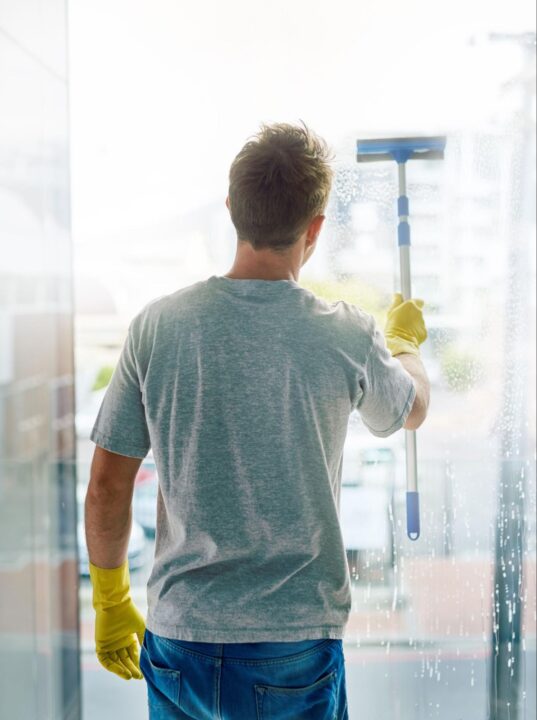
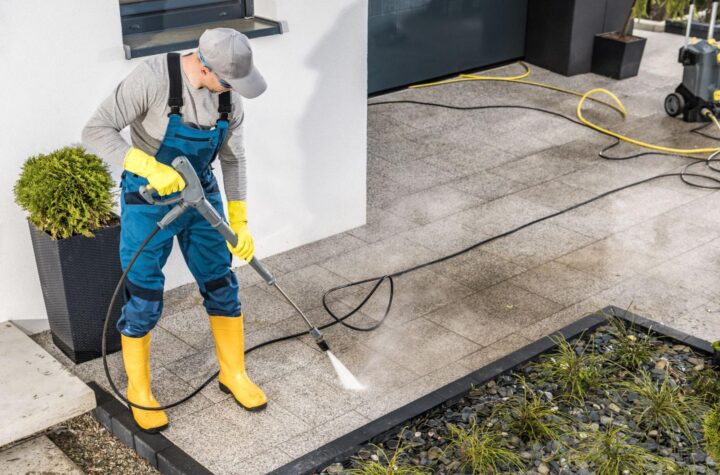
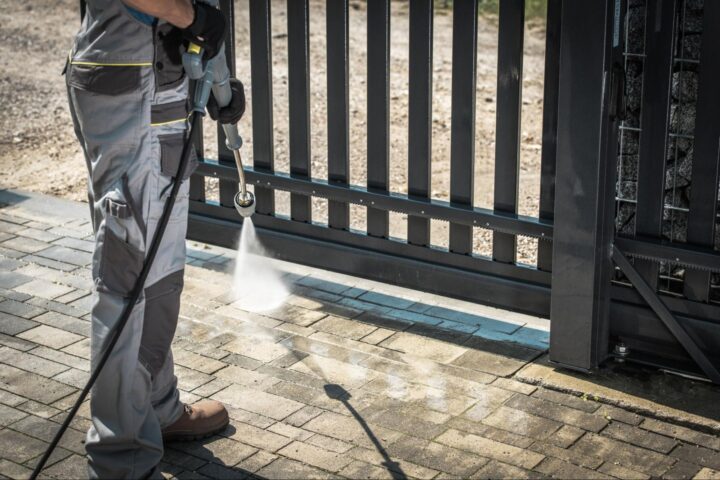
Power washing is an effective cleaning method for many surfaces, but carries hazards for both operators and property. Understanding these risks is essential to prevent injury and damage. This article reviews chemical and physical hazards and outlines safety measures to mitigate them. With appropriate awareness, homeowners, property managers, and cleaning professionals in Orange County can take proactive steps to conduct power washing safely and effectively.
What Are the Most Common Hazards Associated with Power Washing?
Power washing involves hazards that may cause serious injury or property damage if not properly managed. The most common hazards include:
- Injury Risks from High-Pressure Water Streams: The force of the water can cause severe injuries, including lacerations and bruises, if the nozzle is not handled correctly.
- Slips and Falls Due to Wet Surfaces: Water can make surfaces slippery, increasing the risk of falls, especially on uneven or sloped surfaces.
- Damage to Delicate Surfaces: Improper pressure settings can cause damage to surfaces such as wood, stucco, or painted areas, resulting in costly repairs.
Recognizing these hazards is the first step toward a safe power washing operation.
How Do Chemical Hazards Impact Power Washing Safety?
Chemical hazards represent a significant concern in power washing. Cleaning agents improve performance but can pose health risks if handled incorrectly.
- Types of Chemicals Used: Common chemicals include bleach, detergents, and solvents, which can be harmful if inhaled or come into contact with the skin.
- Potential Health Risks: Exposure to these chemicals can lead to respiratory issues, skin irritation, and other health problems, particularly for individuals with pre-existing conditions.
- Importance of Protective Gear: Wearing appropriate protective gear, such as gloves and masks, is essential to minimize exposure to harmful substances.
Understanding these chemical hazards enables operators to adopt precautions that protect themselves and others.
What Physical Risks Should You Be Aware of During Power Washing?
Physical risks associated with power washing can result in injuries requiring medical attention. Key risks include:
- Injury from Improper Techniques: Using incorrect techniques, such as standing too close to the surface or using the wrong nozzle, can result in injuries.
- Property Damage Risks: High-pressure water can damage siding, windows, and other surfaces if not applied correctly.
- Water Intrusion Concerns: Improperly directed water can enter buildings, leading to mold growth and structural damage.
Awareness of these risks is essential for all individuals involved in power washing.
Which Safety Measures and Protective Equipment Are Essential for Power Washing?
Implementing safety measures and using appropriate protective equipment is essential to reduce risks during power washing. Key measures include:
- Wearing Protective Gear: Operators should wear safety goggles, gloves, and non-slip footwear to protect against injuries.
- Securing the Work Area: Ensuring that the work area is clear of obstacles and that bystanders are kept at a safe distance can prevent accidents.
- Following Manufacturer’s Instructions: Adhering to the equipment manufacturer’s guidelines ensures safe operation and reduces the risk of accidents.
These measures form the foundation of a safe and effective power washing operation.
How Do Safety Protocols Minimize Risks in Exterior Cleaning?
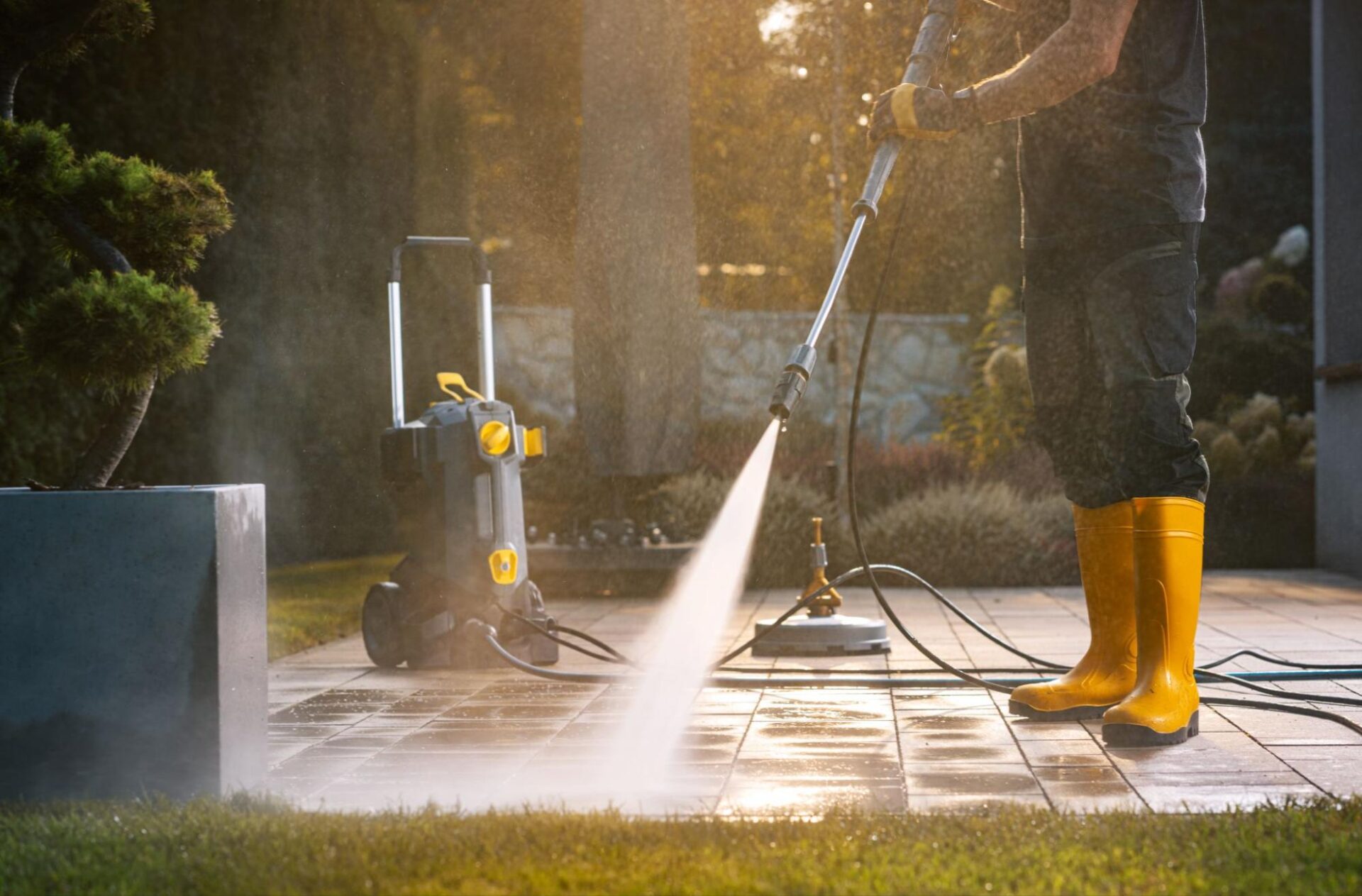
Establishing and enforcing safety protocols significantly reduces the risks associated with power washing. Key protocols include:
- Strict Safety Protocols: Implementing clear safety guidelines for all operators ensures everyone understands the risks and how to mitigate them.
- Use of Proper Harnessing: For elevated work, using harnesses and safety lines can prevent falls.
- Training for Professionals: Regular training sessions for operators on safety practices and equipment handling can enhance overall safety.
Adherence to these protocols markedly reduces the likelihood of accidents.
How Can You Prevent Surface and Property Damage When Power Washing?
Preventing surface and property damage requires correct technique and careful equipment settings. Consider the following methods:
- Using Correct Pressure: Adjusting the pressure settings based on the surface type is crucial to avoid damage.
- Proper Rinsing Techniques: Ensuring thorough rinsing prevents chemical residue from harming surfaces.
- Adjusting Spray Angle: Directing the spray at the correct angle can help protect delicate areas from excessive force.
These techniques help preserve the integrity of surfaces during power washing.
What Techniques Reduce the Risk of Damage to Residential and Commercial Properties?
Applying targeted techniques reduces the risk of damage during power washing. The following table outlines several effective methods:
| Technique | Description | Benefit |
|---|---|---|
| Customized Washing Methods | Tailoring pressure and cleaning agents to specific surfaces | Reduces risk of damage |
| Area Preparation | Clearing the area of obstacles and debris | Enhances safety and efficiency |
| Communication of Problem Areas | Informing the team about sensitive areas | Prevents accidental damage |
Implementing these methods reduces the risk of damage to both residential and commercial properties.
What Localized Considerations Affect Power Washing Safety in Orange County?
Local factors influence power-washing safety in regions like Orange County. Important considerations include:
- Environmental Regulations: Compliance with local regulations regarding water usage and chemical disposal is essential.
- Weather Conditions: Being aware of weather patterns can help plan safe power washing operations, avoiding rainy or windy days.
- Surface Types: Different neighborhoods may feature varying architectural styles and materials, requiring tailored approaches.
These local considerations are vital to safe and effective operations in those areas.
How Do Climate and Environmental Factors Influence Hazard Prevention?
Climate and environmental factors affect hazard prevention during power washing. Key influences include:
- Cleaning Frequency Adjustments: In areas with high dust or pollen levels, more frequent cleaning may be necessary to maintain surfaces.
- Impact of Rain and Dust: Weather conditions can affect the effectiveness of cleaning agents and the safety of operations.
- Eco-Friendly Methods: Utilizing environmentally friendly cleaning solutions can reduce chemical hazards and comply with local regulations.
Understanding these factors allows operators to adapt their practices for safer power washing.
Why Should You Choose Professional Power Washing Services to Avoid Common Hazards?
Hiring professional power washing services reduces the risks associated with this cleaning method. Benefits include:
- Enhanced Curb Appeal: Professionals can effectively clean surfaces, improving the overall appearance of properties.
- Health Risk Reduction: Trained operators are equipped to handle chemicals safely, minimizing health risks.
- Extended Material Lifespan: Proper cleaning techniques can prolong the life of surfaces, saving homeowners money in the long run.
Engaging professionals ensures a safer and more effective power washing outcome.
How Do Certified Operators Reduce Injury and Property Damage Risks?
Certified operators reduce risk during power washing through demonstrated expertise. Their competencies include:
- Strict Safety Protocols: Certified professionals are trained to follow safety protocols that protect both themselves and the property.
- Training and Certification: Ongoing education ensures that operators stay up to date on the latest safety practices and equipment handling.
- Insurance and Licensing: Certified operators carry insurance, providing peace of mind in case of accidents or damage.
Hiring certified professionals significantly enhances safety during power washing.
Stay Safe While Cleaning with Help from End Results
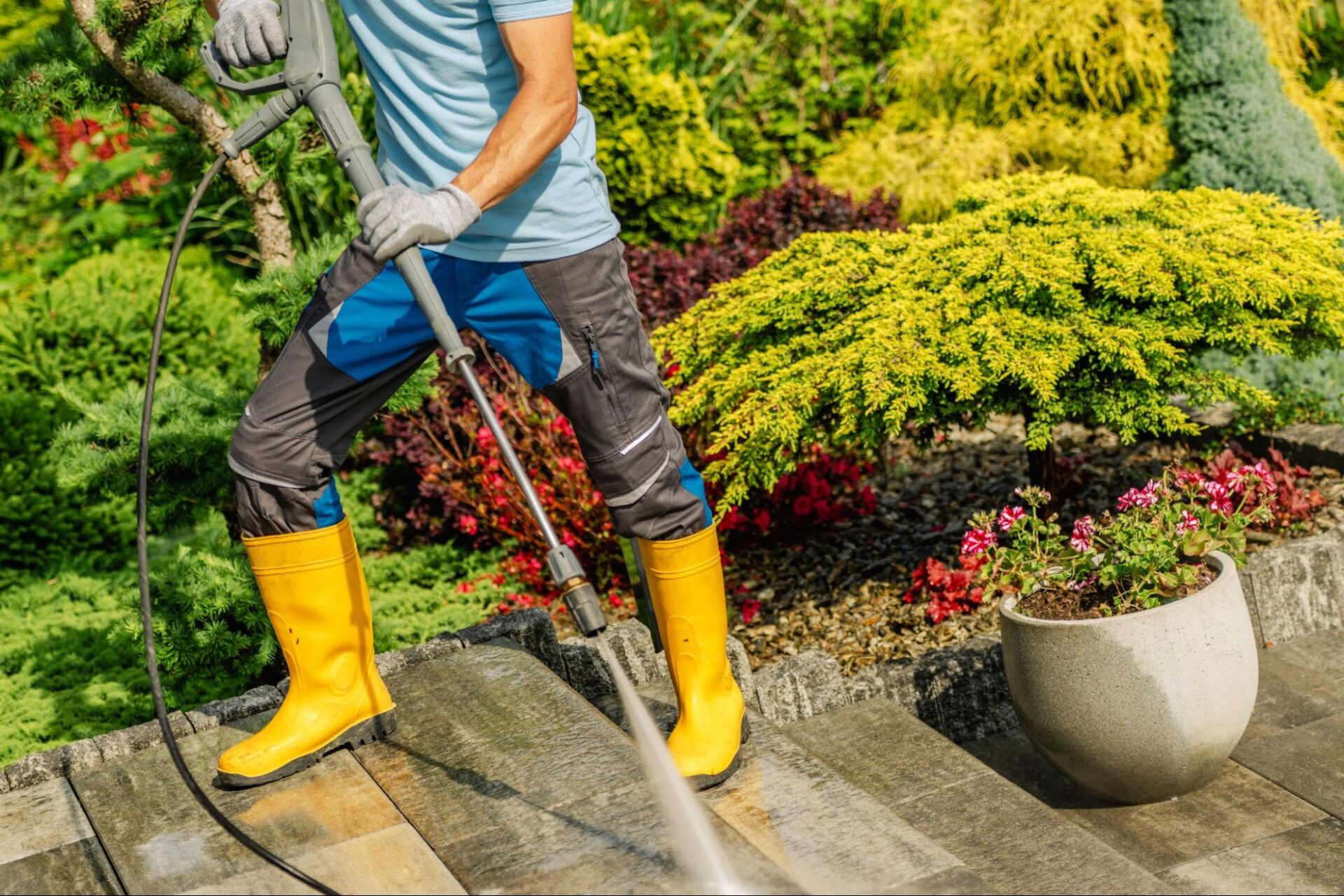
Power washing can deliver impressive results, but it also comes with risks if done incorrectly. At End Results, safety is a top priority in every cleaning project we perform. Our technicians are trained to handle high-pressure equipment properly while protecting your property, landscaping, and surrounding surfaces. We understand the potential hazards involved and use proven techniques to prevent accidents and damage. If you’re considering power washing your Orange County property, it’s important to know when to call professionals who have the experience and tools to do the job right.
Contact us today to schedule a safe, professional power washing service with End Results and avoid costly mistakes.
FAQ
Why is power washing considered dangerous for beginners?
High-pressure water can cause injuries or damage surfaces if used improperly. Even experienced homeowners can underestimate the force produced by professional equipment.
What surfaces are most vulnerable to damage during power washing?
Wood siding, delicate paint, and roofing materials can be easily harmed by high pressure. Professionals adjust pressure levels and cleaning techniques based on the surface type.
Should protective gear be used during power washing?
Yes, safety goggles, gloves, and proper footwear are recommended. These items help protect against debris, water spray, and slipping hazards.
Continue Reading:
Next, learn how the seasons affect your windows in our article: How Seasonal Changes Impact San Clemente Windows.