Pressure washing is one of the fastest ways to restore driveways, siding, roofs, and outdoor living spaces, but the method you choose matters. Here we break down the practical differences between traditional pressure washing and eco-friendly approaches so you can weigh performance, safety, and environmental impact. You’ll learn how each method works, what chemicals and equipment are involved, and how to choose the right option for your home or business. With sustainability top of mind across San Clemente and Orange County, this guide helps you make a choice that protects both your property and the environment.
What Is Traditional Pressure Washing and How Does It Work?
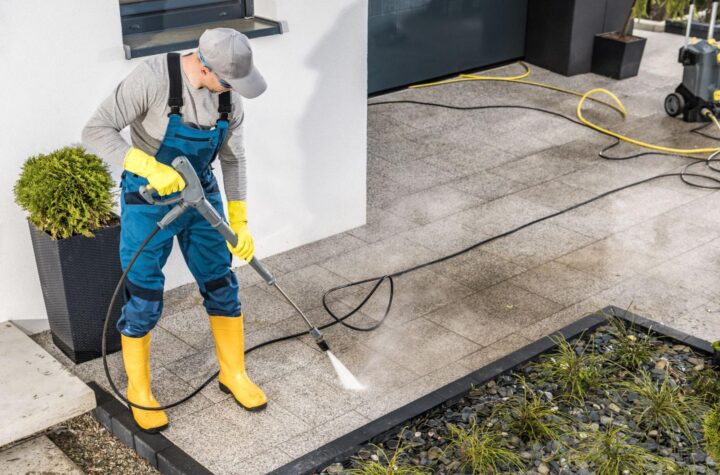
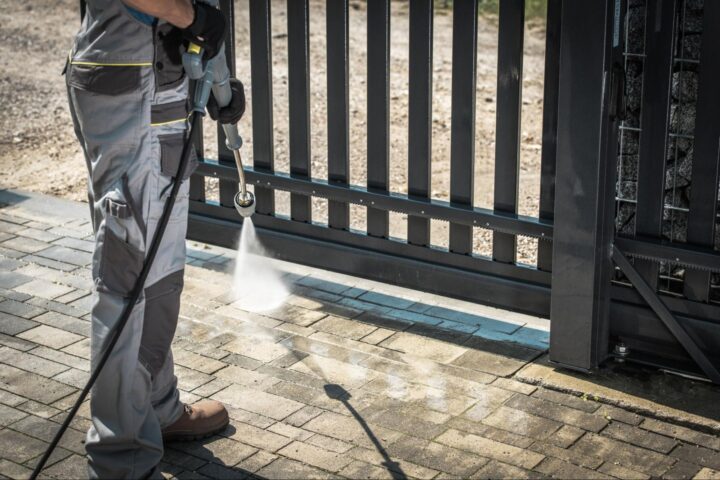
Traditional pressure washing uses high-pressure water streams to blast away dirt, oil, mold, and other buildup. Commercial machines typically operate at 3,000 to 4,000 PSI, making them very effective for heavy-duty cleaning. Many operators also add strong chemical cleaners to the process to speed up stain removal and ensure a deeper clean.
What Chemicals and Equipment Are Used in Traditional Pressure Washing?
Traditional pressure washing combines forceful water pressure with cleaning chemicals and specialized tools. Common chemicals include:
- Sodium Hypochlorite: Regularly used to remove mold and mildew from hard surfaces.
- Sodium Hydroxide: A strong cleaner for grease and oil stains.
- Surfactants: Help break down and lift dirt so water can rinse it away.
Typical equipment includes high-pressure washers, surface-cleaning attachments, and a range of nozzles for different spray patterns. Because of the pressures and chemicals involved, technicians use protective gear and follow strict handling procedures to keep people and property safe.
What Are Common Applications of Traditional Pressure Washing?
Traditional pressure washing is well-suited to heavy, durable surfaces. Common uses include:
- Driveways and Sidewalks: Removing oil, tire marks, and compacted dirt.
- Building Exteriors: Stripping grime from brick, stucco, and some siding.
- Decks and Patios: Restoring hard, weathered surfaces (when properly managed to avoid damage).
For these jobs, the power of traditional pressure washing gets results quickly, but it can be overkill on delicate materials.
How Does Eco-Friendly Pressure Washing Differ from Traditional Methods?
Eco-friendly pressure washing aims to deliver the same clean without the environmental downside. That usually means lower pressure, biodegradable cleaners, and techniques such as soft washing that are gentler on surfaces and less likely to create harmful runoff.
What Are Biodegradable Detergents and Their Role in Green Pressure Washing?
Biodegradable detergents are formulated to break down naturally and reduce harm to plants, pets, and waterways. They still remove stains and organic growth effectively, but without the long-lasting chemical residues associated with harsher products. Using these cleaners is central to eco-friendly exterior cleaning.
How Does Soft Washing Provide a Sustainable Exterior Cleaning Solution?
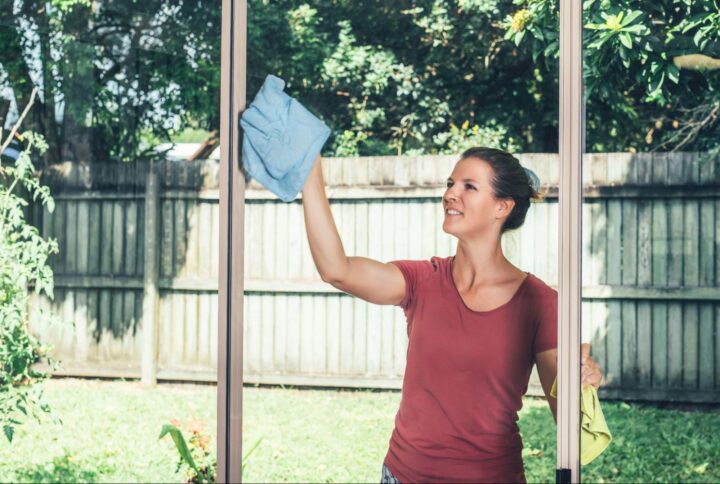
Soft washing combines low-pressure water with eco-safe cleaning solutions to remove mildew, algae, and dirt without risking surface damage. It’s ideal for roofs, painted siding, and other fragile materials where high PSI could cause harm. Soft washing also uses less water overall, helping limit runoff and conserving resources.
What Are the Environmental and Property Impacts of Traditional vs Eco-Friendly Pressure Washing?

Your choice of method affects more than just curb appeal; it can influence local waterways, plants, and the lifespan of building materials.
How Do Harsh Chemicals and Water Waste Affect Ecosystems?
Strong cleaning chemicals can run off into storm drains and local waterways, where they may harm fish, plants, and beneficial microorganisms. High-pressure methods also tend to use larger volumes of water, increasing the chance of runoff that carries sediment and chemical residues into natural systems.
What Are the Benefits of Water Conservation in Eco-Friendly Pressure Washing?
Eco-friendly approaches prioritize water efficiency and reduce runoff. Techniques like soft washing and the use of concentrated, biodegradable cleaners allow technicians to use far less water while still cleaning surfaces. That protects landscaping, reduces strain on local water supplies, and lowers the risk of contaminating nearby streams or storm systems.
Why Choose Eco-Friendly Pressure Washing Services in San Clemente and Orange County?
In coastal and suburban communities like ours, opting for green cleaning protects local habitats and aligns with community expectations. Eco-friendly services deliver strong results while minimizing environmental impact, a win for homeowners and the neighborhood.
How to Decide Between Eco-Friendly and Traditional Pressure Washing for Your Property?
The best choice depends on the surface, the type of stain, and your environmental priorities. Taking a few simple factors into account helps you pick the right method.
What Factors Should Homeowners and Businesses Consider in San Clemente?
Consider local regulations on runoff, the surrounding landscaping, and neighborhood preferences. Also factor in the material you’re cleaning, the severity of stains, and whether chemical runoff would affect nearby storm drains or vegetation.
How Does Surface Type Influence the Choice of Pressure Washing Method?
Surface matters. Fragile materials like roof shingles, painted wood, or older siding usually do best with soft washing. Hard surfaces such as concrete driveways and some masonry can handle higher-pressure cleaning. Matching the method to the material prevents damage and delivers a longer-lasting clean.
Is Eco-Friendly Pressure Washing as Effective as Traditional Methods?
Yes, when the right techniques and products are used. Biodegradable detergents combined with low-pressure or soft-wash systems remove organic stains and discoloration without sacrificing results. Many customers prefer this approach because it balances performance with safety.
Are Soft Washing and Biodegradable Solutions Safe for Plants and Pets?
Yes. When mixed and applied correctly, soft-wash solutions and biodegradable detergents are generally safe for landscaping and household pets. Technicians take care to protect plants and rinse sensitive areas, keeping your yard and family safe.
| Method | Environmental Impact | Effectiveness | Safety |
|---|---|---|---|
| Traditional Pressure Washing | Higher risk of chemical runoff; greater water use | Very effective on tough, durable stains | Requires protective gear and careful chemical handling |
| Eco-Friendly Pressure Washing | Lower runoff risk; conserves water | Effective when matched to the surface and stain | Safe for plants and pets when applied properly |
Clean Consciously with End Results

When it comes to pressure washing, there’s more to it than blasting away dirt. At End Results, we offer both traditional and eco-friendly pressure washing options to suit your property, your preferences, and your environmental values. Whether you’re removing oil stains or washing algae off siding, we make sure the method is safe, effective, and sustainable. Eco-conscious doesn’t mean sacrificing results; it means cleaning smarter. Want to learn which approach is right for your home or business?
Contact us today, and we’ll guide you through the options and offer a quote tailored to your needs.
Frequently Asked Questions
Are eco-friendly detergents effective against grease or mildew?
Yes, many biodegradable detergents are specially formulated to target mildew, algae, and oil without harming the environment. They may require a slightly longer dwell time, but remain very effective.
Is hot-water pressure washing more eco-friendly than cold-water pressure washing?
Not necessarily. While hot water can reduce the need for detergents, it uses more energy. Eco-friendliness depends on both the equipment and the cleaning agents used.
Can eco pressure washing be used on all surfaces?
Most eco-friendly methods work well on common surfaces like wood, concrete, and stucco. However, delicate materials may still require soft-washing or spot treatment, which we can customize.